
Material quality, growth routes, scale-up, manufacturing constraints, and the application boundaries of CVD single-crystal diamond.
Thematic Research
Research
Evidence-led analysis of technology pathways, manufacturing readiness, company strategy, supply chains, and commercialization.
29 articles · newest first
Scope
- CVD Diamond / MPCVD
- Thermal Management
- Diamond Semiconductors
- Company Cases
Research Map
Browse by research area
Use these persistent topic pages to follow related evidence and analysis over time.
Diamond heat spreaders and heat sinks, interfaces, packaging integration, and adoption in high-heat-flux systems.
Reactor architecture, process windows, monitoring, equipment supply chains, manufacturing maturity, and capacity expansion.
Substrates, epitaxy, doping, interfaces, device structures, power electronics, and the gap between demonstrations and production.
NV-center materials, quantum sensing, quantum computing, networks, and the equipment required to turn laboratory results into systems.
Long-term case studies of technology strategy, capital, product positioning, partnerships, and commercialization.
Value-chain roles, supply and demand, pricing, customer development, organizational capability, and business-model design.

Industry Organization & Business Models
What Chip War Taught Me About How Technology Becomes an Industry
A reading of *Chip War* becomes a way to think about how technical breakthroughs, manufacturing iteration, state and market roles, industrial specialization and supply-chain security jointly create industrial capability.
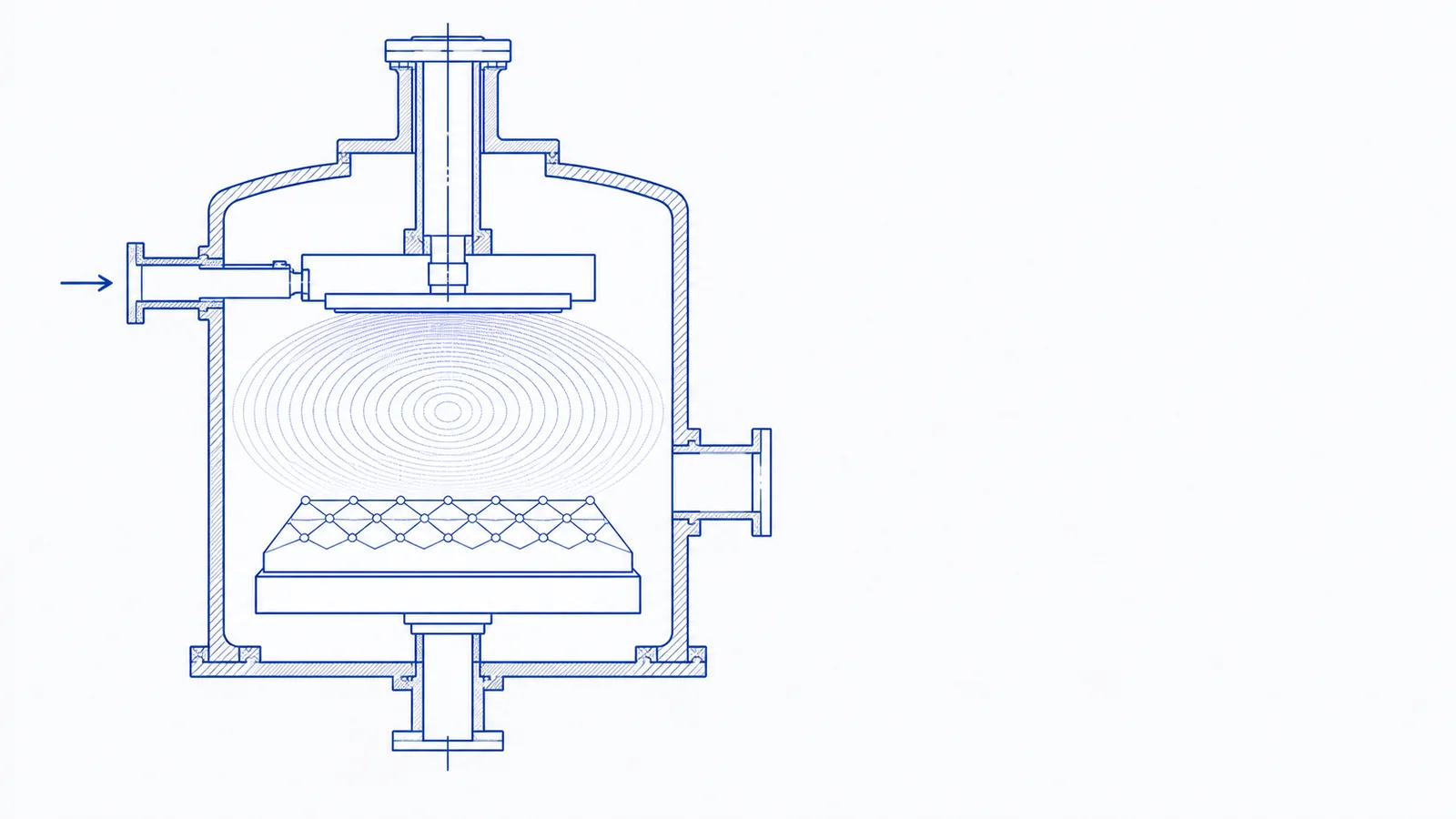
MPCVD Equipment & Process
How Hard Is It to Measure Temperature Accurately in MPCVD?
Plasma emission, methane-related by-products and substrate emissivity can all push single- and two-color pyrometer readings away from the true substrate temperature in MPCVD.
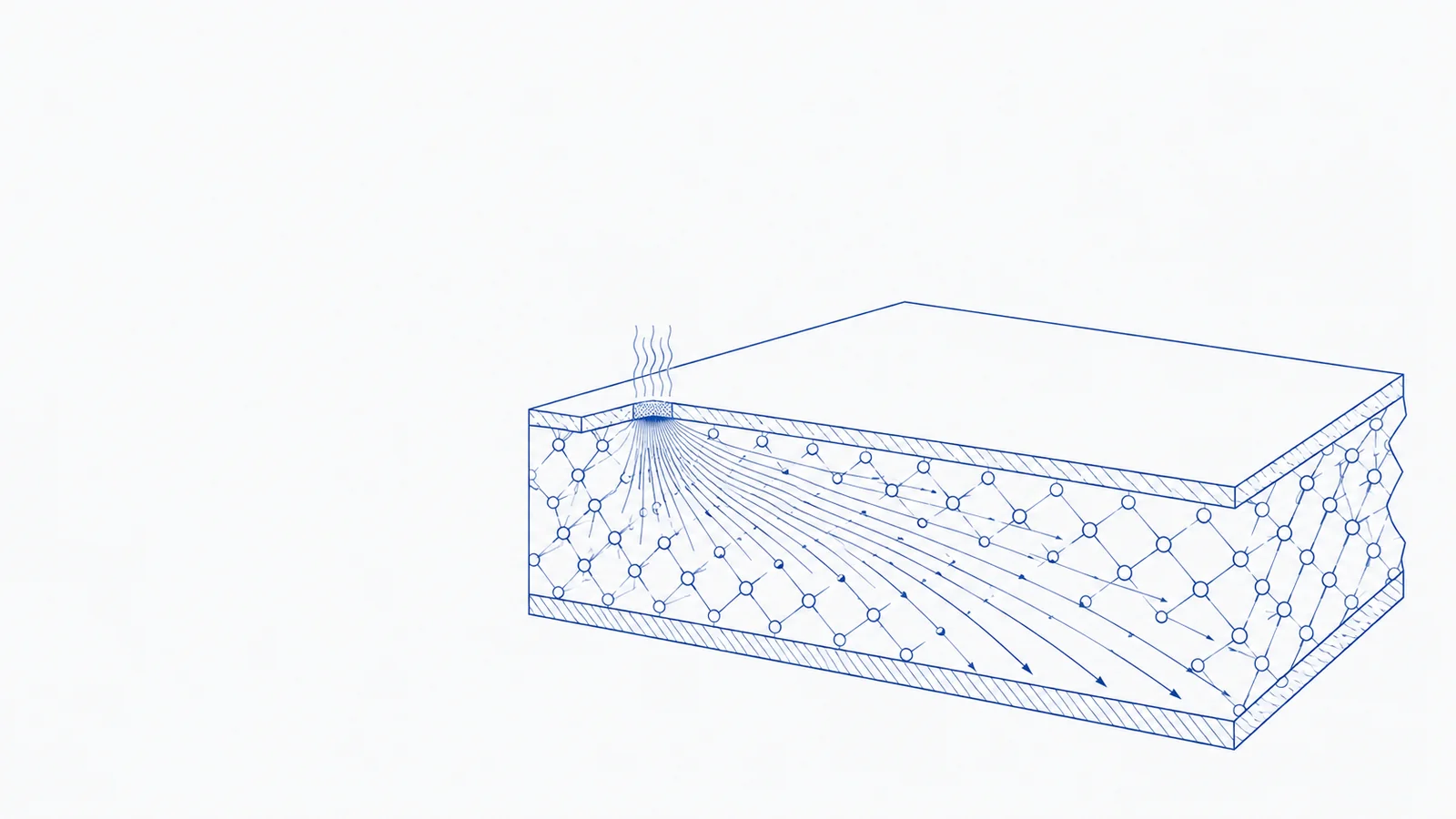
Diamond Thermal Management
Why Has Diamond Thermal Management Not Reached the Semiconductor Conference Agenda?
Diamond thermal management is already present in advanced-packaging discussions, but diamond has not yet become a standalone semiconductor-conference agenda item.
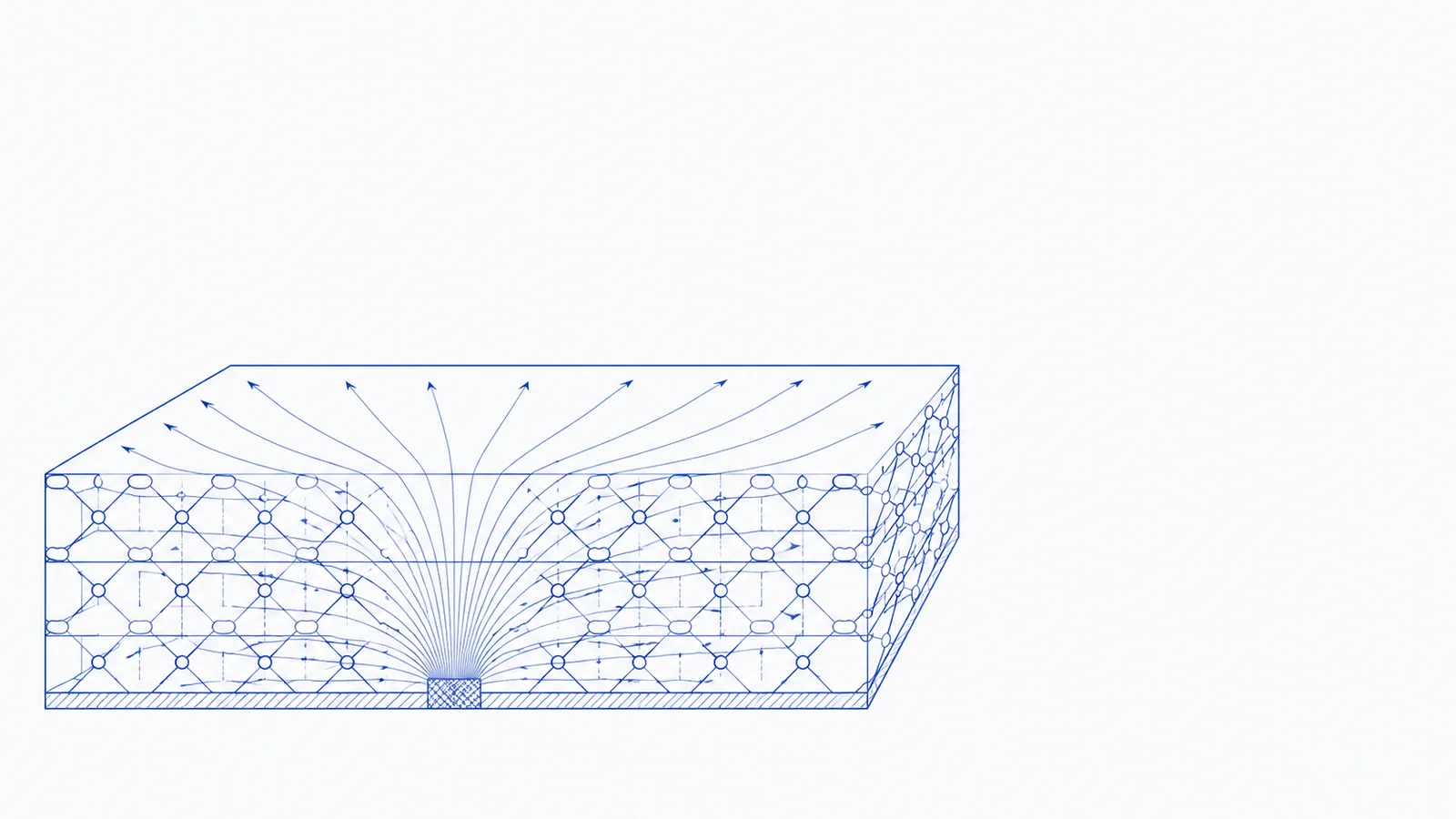
Diamond Thermal Management
The Hard Part of Diamond Thermal Management May No Longer Be Growing the Diamond
Five barriers—interfaces, reliability, batch consistency, customer qualification and incumbent solutions—separate high-performance diamond from a scalable thermal product.
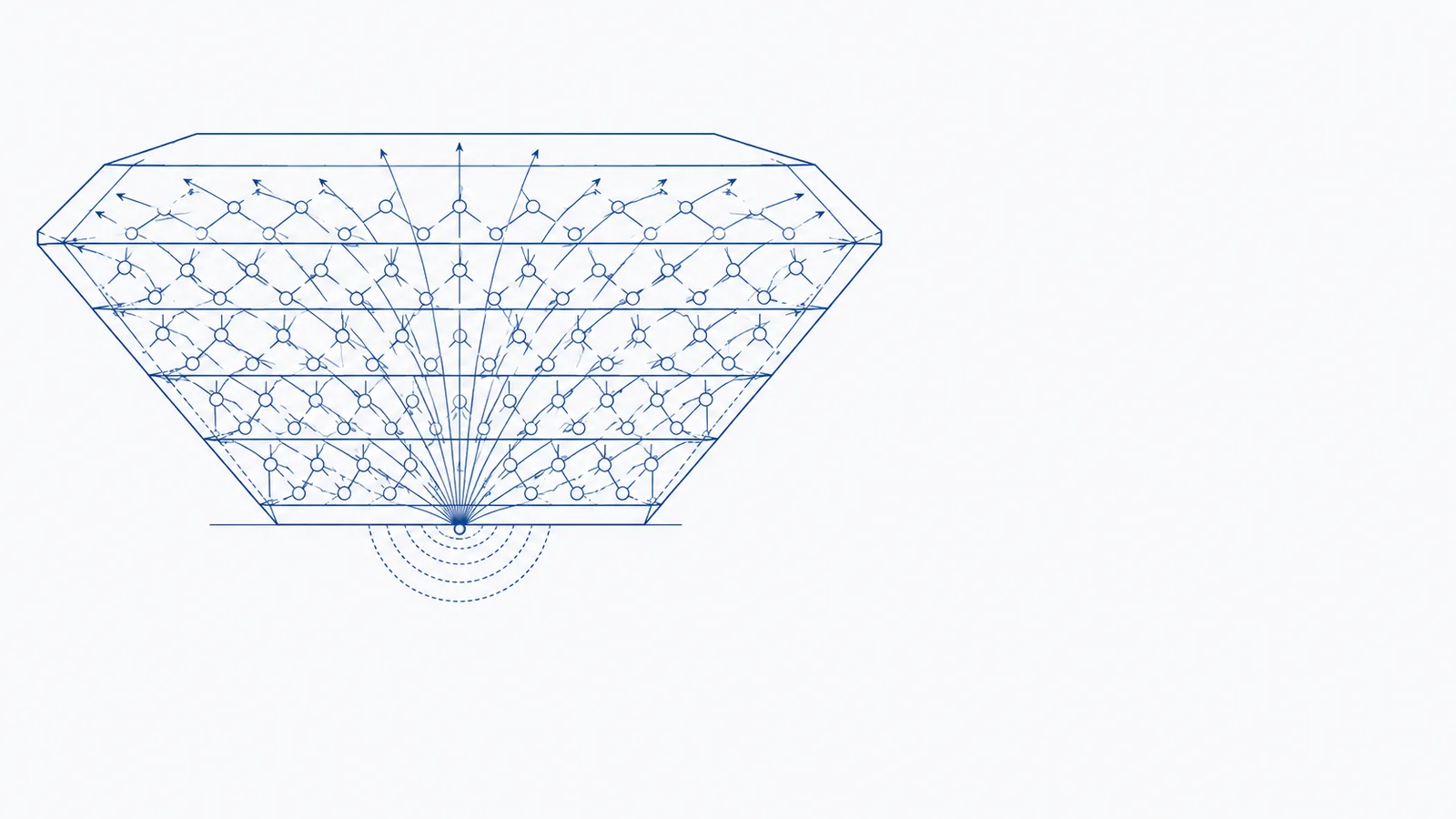
Industry Organization & Business Models
After the Graphene Hype: Why New Materials Run Hot Before They Mature
Graphene's two-decade industrial journey offers a framework for separating useful capability building from nominal capacity in today's diamond thermal-management boom.
Diamond Thermal Management
Where Should Diamond Sit in a Chip's Thermal Path?
A system-level thermal-resistance framework for deciding where diamond particles, continuous spreaders and near-junction integration can create real value.

Company Cases
Three Young Founders Want to Make Diamond Wafers. What Did YC Actually Back?
A six-week gap between an unfinished recruiting conversation and Kara Labs' YC launch raises a harder question about how software-style startup methods transfer to advanced materials.

Chinese Company Research
Two Interim Disclosures Show Functional Diamond Is Not Profitable Yet
Huanghe Whirlwind and Power Diamond reported very different interim results, but neither disclosure established functional diamond as a separately verifiable source of profit.

Industry Structure & Business Models
AI Gives Diamond an Opportunity, Not Every Supplier a Strategic Position
AI creates demand for better thermal materials, but a defensible company position comes from solving a specific problem repeatedly and becoming difficult for customers and partners to bypass.
Diamond Thermal Management
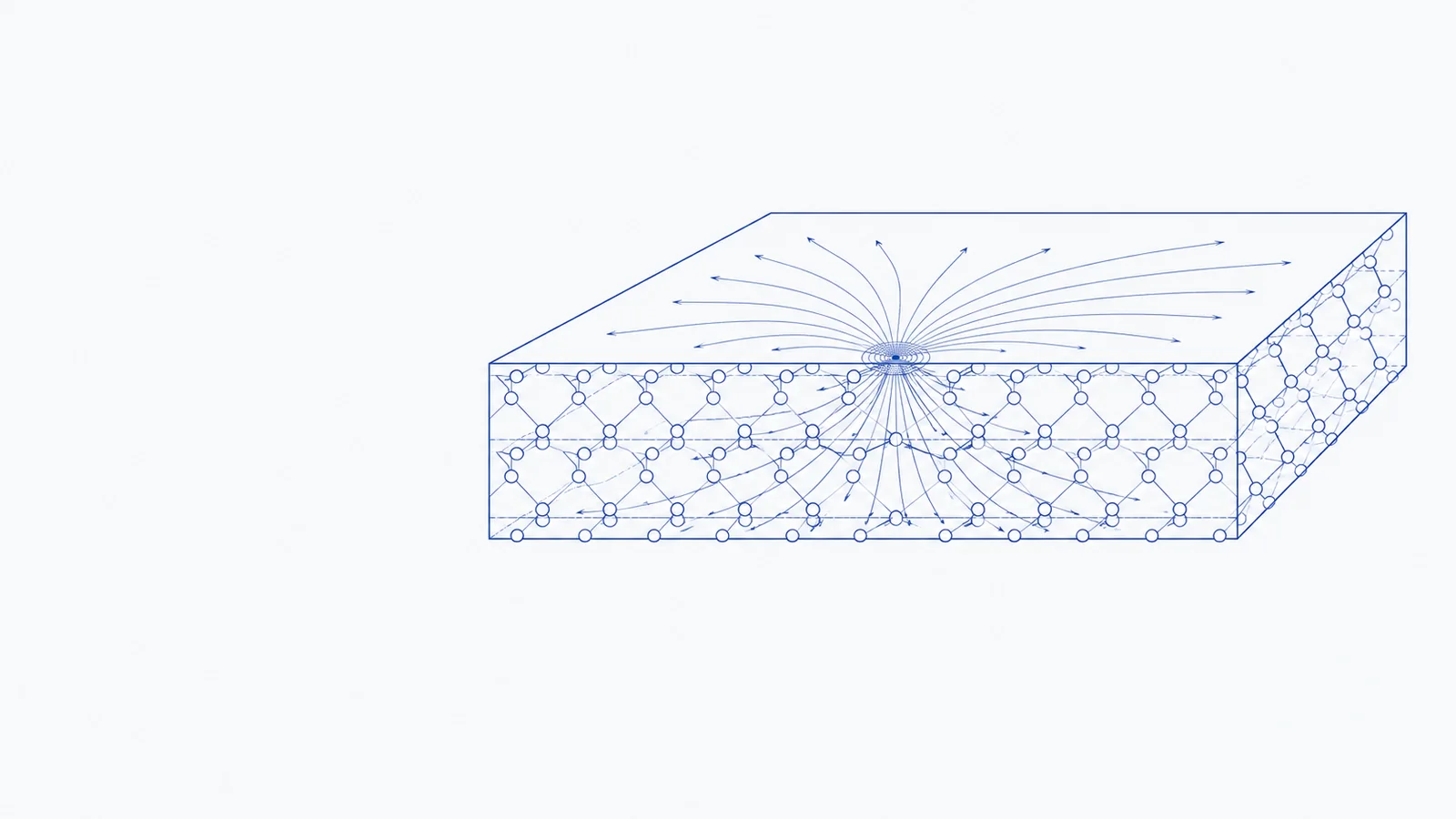
The Highest-Performance Diamond Process May Not Build the Largest Market First
MPCVD may retain the high-performance ceiling while HFCVD tests larger-area, lower-cost applications. Industrial scale and maximum material performance need not emerge from the same route.
Industry Structure & Business Models
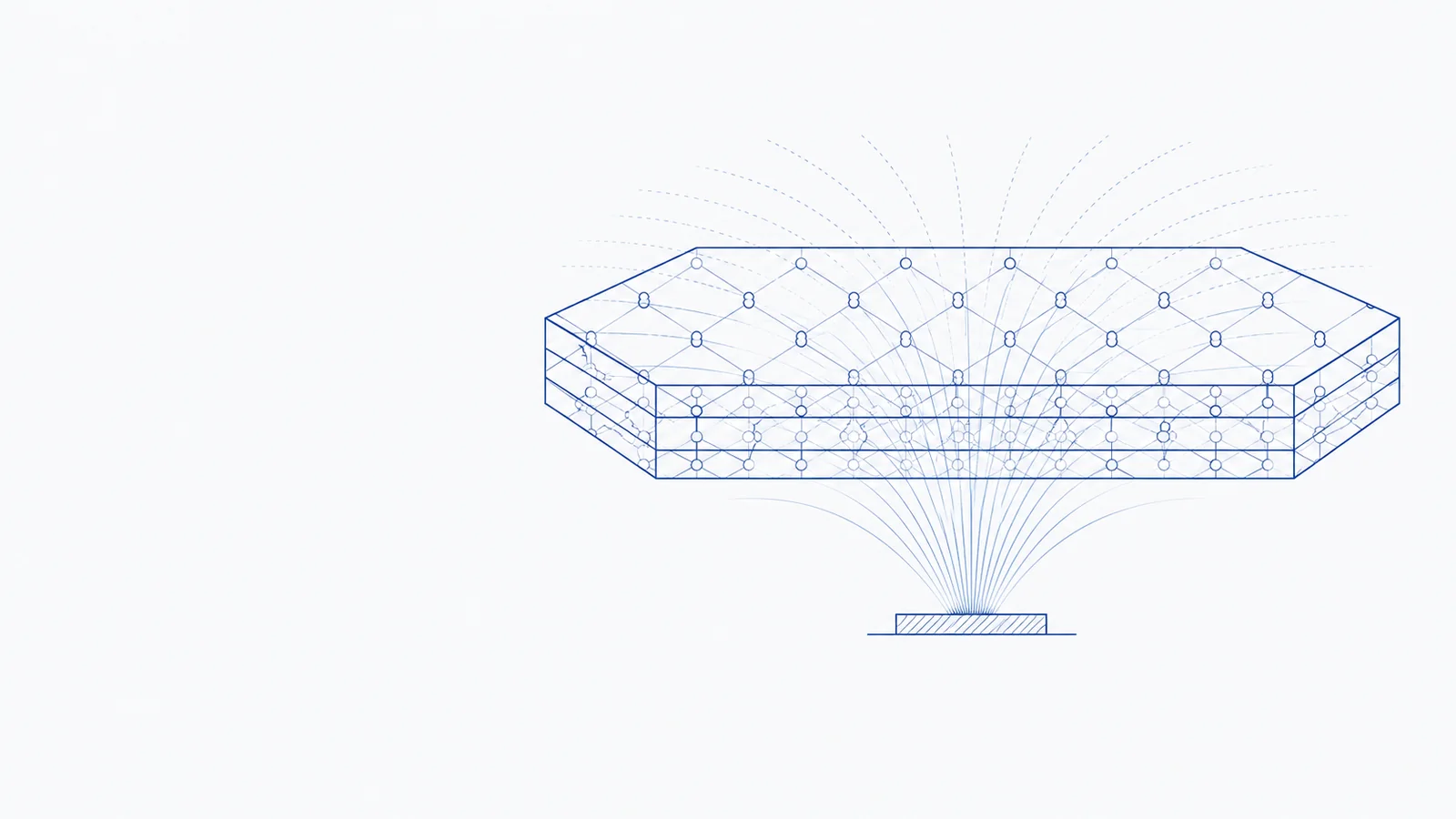
Diamond Thermal Management Must Sell System Value, Not Thermal Conductivity Alone
CVD diamond suppliers will struggle to escape material-price competition unless they can translate thermal conductivity into lower junction temperature, higher efficiency, stronger reliability, and validated system economics.

Industry Structure & Business Models
CATL Was Not Born Indispensable: How a Supplier Enters a Customer's System
CATL became difficult to replace by absorbing system uncertainty, learning from demanding customers, generating field evidence, and entering vehicle design, qualification, supply, and lifecycle operations.
Company Strategy
What Element Six's Partnerships Reveal About Know-How in the Diamond Industry
Element Six's work with Orbray, Seki Diamond Systems, and Bosch illustrates how diamond companies can match partnership structure to a specific market objective while protecting process know-how.

Element Six Research
Element Six and Orbray: Wafer-Scale Diamond Is About More Than Diameter
The important signal is not two, three, or four inches by itself, but the separation of products by application and the move toward repeatable process and volume-production preparation.

CVD Single-Crystal Diamond
Why Large Single-Crystal Diamond Is Easier to Exhibit Than to Buy
A large diamond sample can prove technical possibility without creating a purchasable seed product. The missing link is a repeatable system for replication, release, finishing, qualification, and supply.

Industry Structure & Business Models
A CVD Diamond Price War Is Ultimately a Cash-Flow Elimination Round
Calls for rational competition cannot remove excess capacity. Survival depends on cash flow, cost position, differentiated products, financing discipline, and conversion of technical claims into paid demand.

MPCVD Equipment & Process
Can a Tungsten Substrate Reduce Stress in Polycrystalline Diamond Films?
A W–Si–Mo comparison offers useful evidence on stress in MPCVD polycrystalline diamond, but it does not yet establish a scalable release process or production economics.
Diamond Foundry Research
How Diamond Foundry Turns Technical Progress into a Financeable Story
Diamond Foundry organizes consumer commercialization, clean manufacturing, wafer milestones, acquisitions, expansion, and AI thermal demand into a sequence that investors and governments can understand.
Diamond Foundry Research
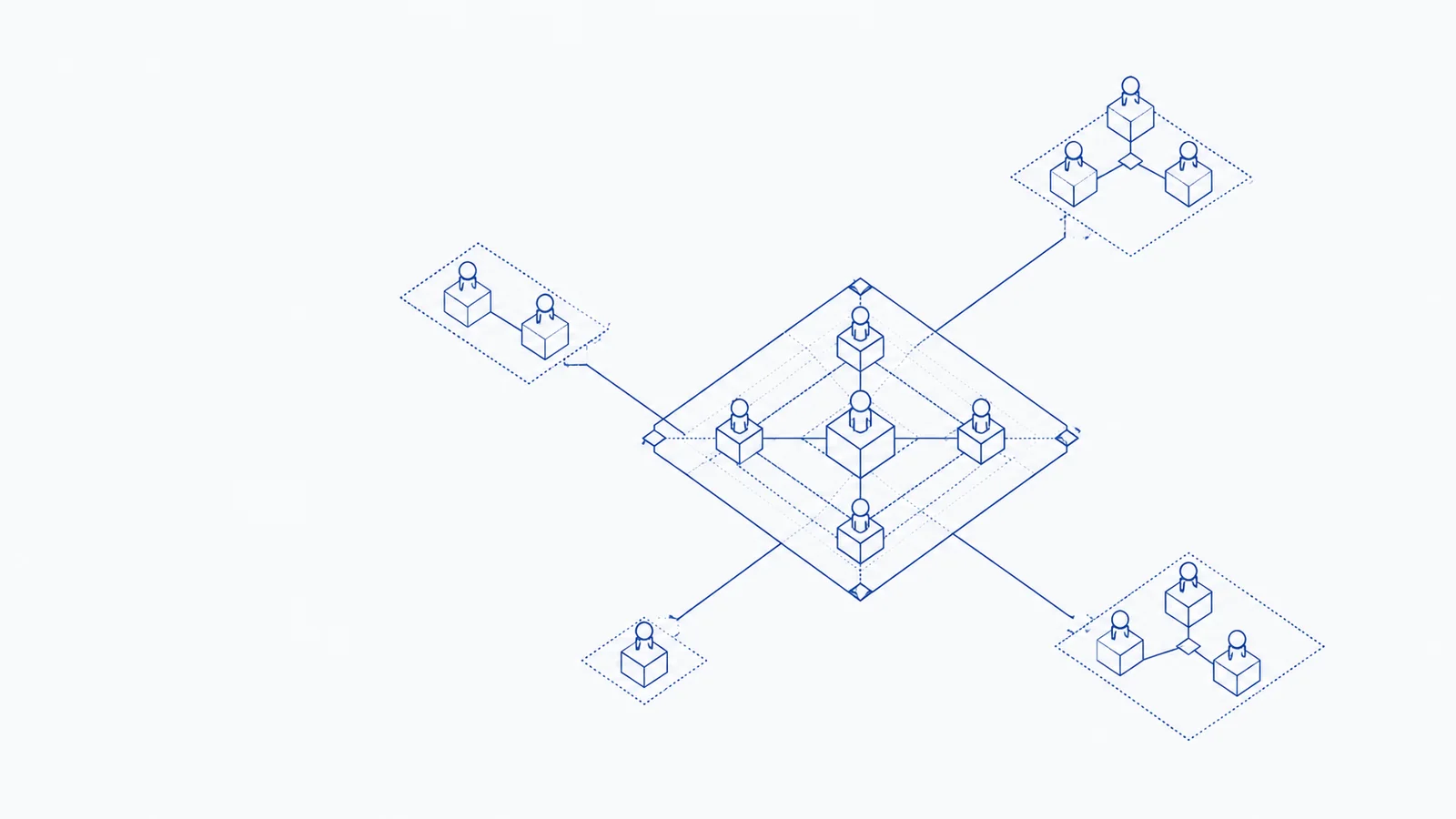
Why Copying an MPCVD Reactor Is Not the Same as Rebuilding Its Design Logic
Reverse engineering can shorten the starting path, but high-end MPCVD requires causal understanding across electromagnetic fields, plasma, heat, flow, materials, process control, and validation.

Chinese Company Research
CVD Diamond in Chinese 2025 Annual Reports: Attention Is High, Profit Is Hard
Chinese listed-company reports show CVD diamond moving beyond jewellery into functional materials, but ramp costs, qualification, product mix, and weak utilization can prevent technical progress from becoming profit.

Diamond Foundry Research
Tech Note 2601-01: Diamond Enters a Chip Through Engineering, Not a Conductivity Claim
The important shift in Diamond Foundry's technical language is from intrinsic conductivity to silicon thinning, bonding, boundary resistance, hotspots, test vehicles, and cooling conditions.
Diamond Foundry Research
Where Diamond Foundry May Be Trying to Put Diamond
Diamond semiconductor applications should be separated into near-term thermal interfaces, power-module integration, and longer-term native or heterogeneous device platforms.
Diamond Foundry Research
Can Lab-Grown Jewellery Finance Industrial Diamond R&D?
A jewellery business can train manufacturing and provide financial runway, but it does not automatically create thermal-, electronic-, or wafer-grade capabilities.

Diamond Foundry Research
Why Diamond Foundry Treats Its Reactor as a Production Function
An MPCVD reactor becomes strategically valuable when hardware, recipes, sensors, maintenance, operator knowledge, and material feedback improve together—not when it merely operates as a standalone machine.
Diamond Foundry Research
Why CVD Diamond Still Needs Vertical Integration
Silicon can specialize because decades of standards stabilized the interfaces between equipment, wafers, fabs, packaging, and customers. Many equivalent interfaces in CVD diamond are still embedded in tacit process knowledge.
Diamond Foundry Research
Why Diamond Foundry Is Still Worth Studying
Diamond Foundry's public story is stronger than its independently verifiable production evidence. That gap makes it a useful case for studying how reactor, material, application, and capital narratives are assembled.
Diamond Thermal Management
In Diamond Heat Spreaders, the Interface Can Matter More Than the Diamond
Diamond composites, continuous CVD diamond plates, and near-junction diamond integration solve different thermal problems. In all three, interfaces can consume the material's apparent advantage.
Diamond Semiconductors
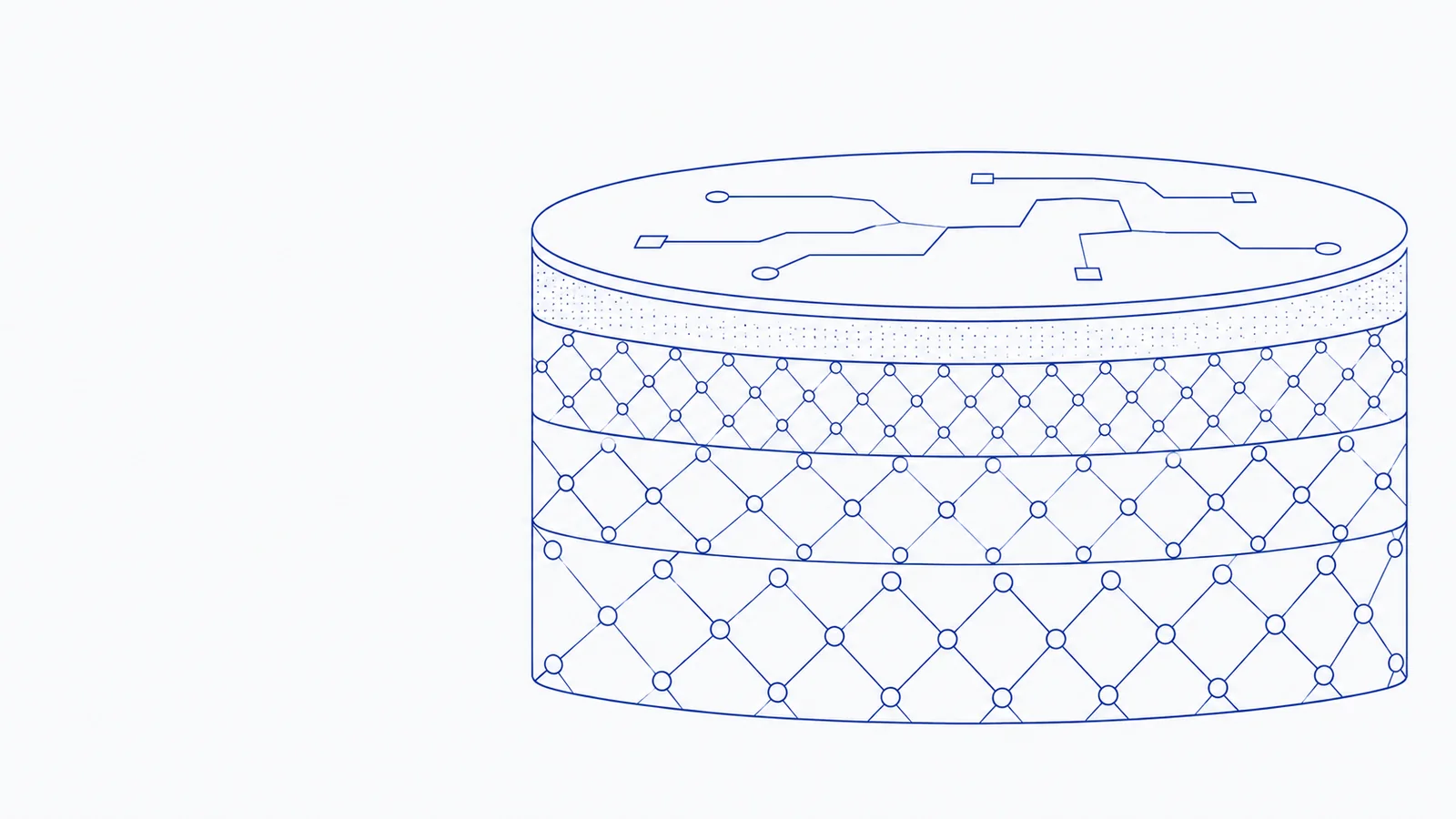
A Diamond MOSFET Test Vehicle Is an Entry Ticket, Not a Victory Certificate
A patterned diamond device sample indicates process-platform work, not commercial maturity. The harder tests are substrate quality, interfaces, contacts, stability, reliability, and repeatability.

MPCVD Equipment & Process
A 12-Inch Diamond Claim Is Not the Same as Manufacturing Maturity
Large area and high reactor power are visible achievements. Manufacturing maturity is demonstrated by repeatability, tool matching, process control, qualification, and reliable delivery.